

What is Disposable Plastic Cup?
A disposable plastic cup is a cup made out of plastic, commonly used as a container to hold beverages. Some are reusable while others are intended for a single use followed by recycling or disposal.Disposable plastic cups are often used for gatherings where it would be inconvenient to wash dishes afterward, due to factors such as location or number of guests. Plastic cups can be used for storing most liquids, but hot liquids may melt or warp the material. A common design in the united states is a red plastic cup, often used for serving alcoholic beverages.
Advantages of Disposable Plastic Cup
Convenience
The biggest advantage of disposable plastic cup is their sheer convenience. Eliminate the need for washing mountains of dishes – simply toss the cups when you're done! This translates to less time spent cleaning and more time enjoying your guests.
01
Sanitation
Disposable plastic cup offer a hygienic solution, especially for large gatherings. They eliminate the risk of cross-contamination that can occur with reusable cups.
02
Cost-effectivec
Disposable plastic cup are typically more affordable than purchasing dedicated reusable sets, especially when considering the cost of water and cleaning supplies.
03
Variety of options
You'll find disposable plastic cup in a wide range of sizes, materials, and styles to fit any occasion. Whether you need sturdy cups for hot beverages or lightweight options for summer gatherings, there's a perfect cup out there.
04
Portability
Disposable plastic cup are lightweight and compact, making them ideal for picnics, outdoor events, or situations where space is limited.
05
-
![8oz - 48 oz clear PET plastic cake box wholesale]() 8oz - 48 oz clear PET plastic cake box wholesale·Food grade PET material, resistant to low temperature and not brittle. ·multiple size options:8oz 12oz 16oz 20oz 24oz 32oz 48 oz. ·Anti-theft buckle design protects food safety. ·Ultra-light weight,read more
8oz - 48 oz clear PET plastic cake box wholesale·Food grade PET material, resistant to low temperature and not brittle. ·multiple size options:8oz 12oz 16oz 20oz 24oz 32oz 48 oz. ·Anti-theft buckle design protects food safety. ·Ultra-light weight,read more -
![Disposable Plastic Bowl With Inner Tray]() Disposable Plastic Bowl With Inner TraySize:1150ml-1750ml . Logo:Customizable. Contact:. 📞 +8618963943585. ✉️ sales5@ecoearthpack.com.read more
Disposable Plastic Bowl With Inner TraySize:1150ml-1750ml . Logo:Customizable. Contact:. 📞 +8618963943585. ✉️ sales5@ecoearthpack.com.read more -
![Plastic Sauce Cup With Hinged Lids]() Plastic Sauce Cup With Hinged LidsSize:1oz-5oz . Logo:Customizable. Contact:. 📞 +8618963943585. ✉️ sales5@ecoearthpack.com.read more
Plastic Sauce Cup With Hinged LidsSize:1oz-5oz . Logo:Customizable. Contact:. 📞 +8618963943585. ✉️ sales5@ecoearthpack.com.read more -
![To Go Microwavable Food Containers With Lids]() To Go Microwavable Food Containers With LidsSize: 28oz 32oz 38oz . Logo: Customizable. Contact:. 📞 +8618963943585. ✉️ sales5@ecoearthpack.com.read more
To Go Microwavable Food Containers With LidsSize: 28oz 32oz 38oz . Logo: Customizable. Contact:. 📞 +8618963943585. ✉️ sales5@ecoearthpack.com.read more -
![Deli Takeaway Food Container]() Deli Takeaway Food ContainerSize: 8-32oz. Logo: Customizable. Contact:. 📞 +8618963943585. ✉️ sales5@ecoearthpack.com.read more
Deli Takeaway Food ContainerSize: 8-32oz. Logo: Customizable. Contact:. 📞 +8618963943585. ✉️ sales5@ecoearthpack.com.read more -
![Empty Heterosexual Plastic Bottle]() Empty Heterosexual Plastic BottleSize: 300-700ml. Logo: Customizable. Shape: beer, elephant, gingerbread man and etc. Contact:. 📞 +8618963943585. ✉️ sales5@ecoearthpack.com.read more
Empty Heterosexual Plastic BottleSize: 300-700ml. Logo: Customizable. Shape: beer, elephant, gingerbread man and etc. Contact:. 📞 +8618963943585. ✉️ sales5@ecoearthpack.com.read more -
![16 OZ Cear PET Plastic Cold Cups]() 16 OZ Cear PET Plastic Cold CupsSize: 1-24oz. Material: PET. Logo: Customizable. Certificates: FDA, ISO, BRC, BSCI, FSC. Contact:. 📞 +8618963943585. ✉️ sales5@ecoearthpack.com.read more
16 OZ Cear PET Plastic Cold CupsSize: 1-24oz. Material: PET. Logo: Customizable. Certificates: FDA, ISO, BRC, BSCI, FSC. Contact:. 📞 +8618963943585. ✉️ sales5@ecoearthpack.com.read more -
![Disposable Clear PET Plastic Cup]() Disposable Clear PET Plastic CupProducts Description Regular Size Company Profile Company profile Ecoearth Pack – Expert in Custom Paper Packaging Solutions Ecoearth Pack is a professional manufacturer of eco-friendlyread more
Disposable Clear PET Plastic CupProducts Description Regular Size Company Profile Company profile Ecoearth Pack – Expert in Custom Paper Packaging Solutions Ecoearth Pack is a professional manufacturer of eco-friendlyread more -
![Square Plastic PET Cups]() Square Plastic PET CupsThis PET plastic square shape cup is used for serving juice, ice cream, dessert, with fitting PET lids.read more
Square Plastic PET CupsThis PET plastic square shape cup is used for serving juice, ice cream, dessert, with fitting PET lids.read more -
![32 OZ Plastic Buckets]() 32 OZ Plastic BucketsSize: 12-85oz. Material: PP. Logo: Customizable. Certificates: FDA, ISO, BRC, BSCI, FSC. Contact:. 📞 +8618963943585. ✉️ sales5@ecoearthpack.com.read more
32 OZ Plastic BucketsSize: 12-85oz. Material: PP. Logo: Customizable. Certificates: FDA, ISO, BRC, BSCI, FSC. Contact:. 📞 +8618963943585. ✉️ sales5@ecoearthpack.com.read more -
![16 OZ Clear PP Plastic Cup]() 16 OZ Clear PP Plastic CupSize: 2.5-32oz. Material: PP. Logo: Customizable. Certificates: FDA, ISO, BRC, BSCI, FSC. Contact:. 📞 +8618963943585. ✉️ sales5@ecoearthpack.com.read more
16 OZ Clear PP Plastic CupSize: 2.5-32oz. Material: PP. Logo: Customizable. Certificates: FDA, ISO, BRC, BSCI, FSC. Contact:. 📞 +8618963943585. ✉️ sales5@ecoearthpack.com.read more -
![PET Plastic Deli Food Storage Containers]() PET Plastic Deli Food Storage Containers1.Lightweight, reducing shipping costs.2.Crystal Clear, can see all foods3.Superior Protection and Freshness Preservation4.Eco-Friendly Materials, Green Choiceread more
PET Plastic Deli Food Storage Containers1.Lightweight, reducing shipping costs.2.Crystal Clear, can see all foods3.Superior Protection and Freshness Preservation4.Eco-Friendly Materials, Green Choiceread more


Why Choose Us
Our factory
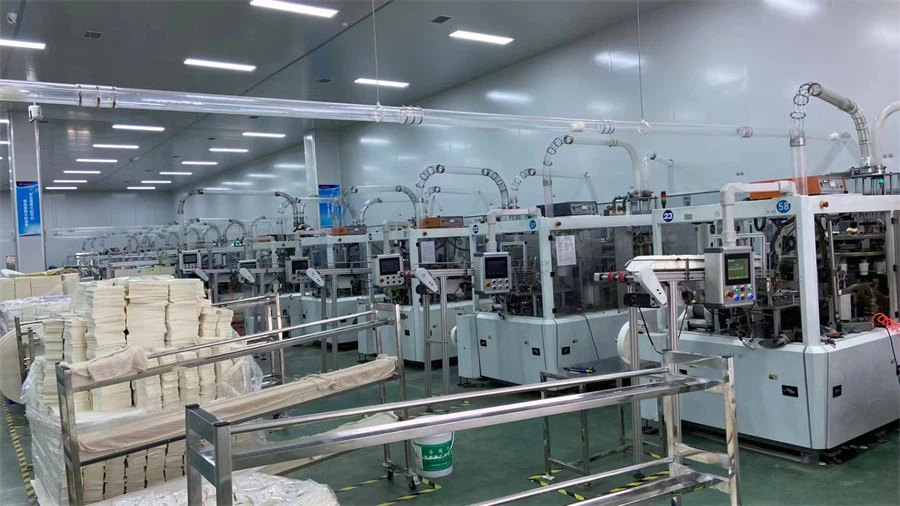
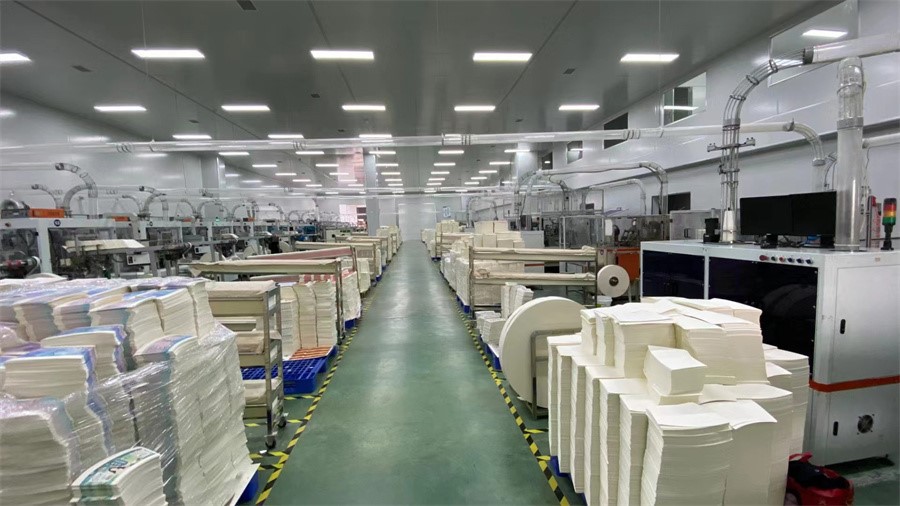
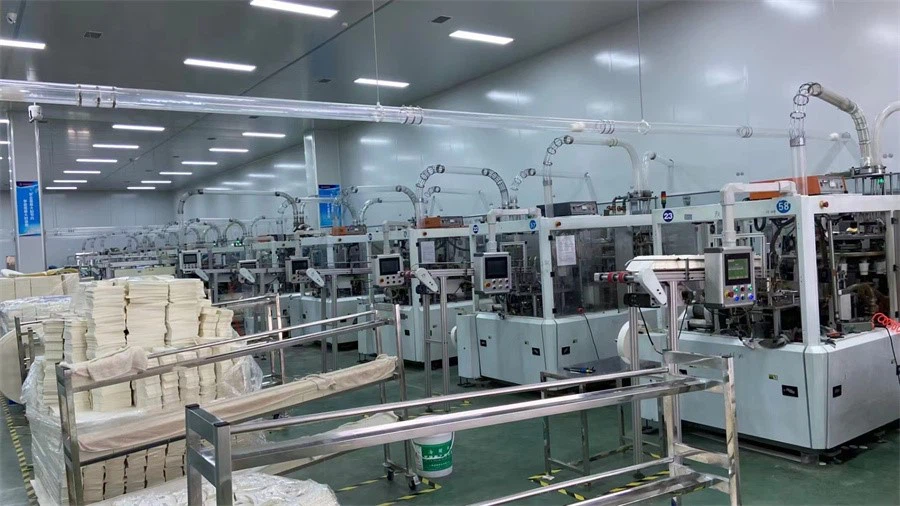
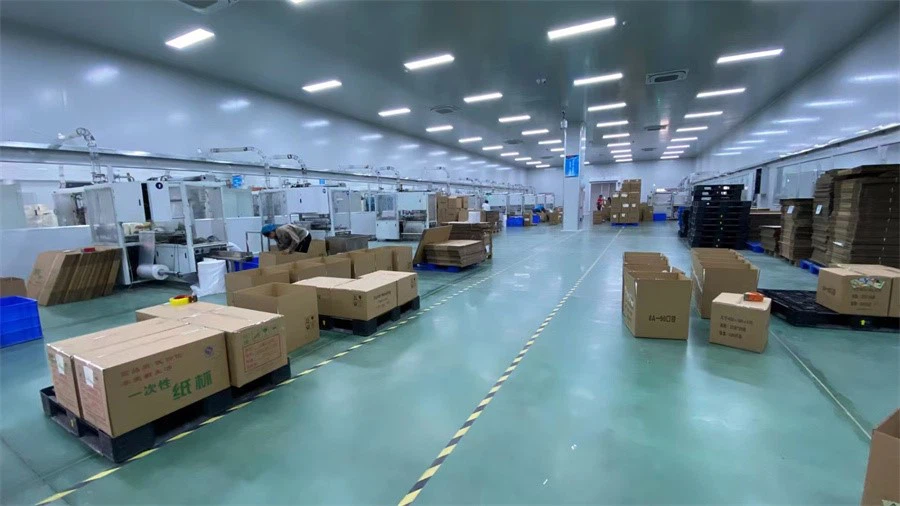
Hubei eco earth has professional production team of 300+ people and 66,000 square meters of international standardized production base, the world's advanced friendly food packaging production equipment and class 1000 dust-free purification workshop, with sophisticated equipment and technology to promote production capacity, the concept of energy saving and emission reduction and circular economy, into every link of packaging products.
01
Product application
Food and beverage industry,takeout and food delivery,fast food and quick service restaurants, supermarkets and convenience stores, outdoor and picnic events,bakeries and pastry shops,coffee shops and cafeterias, and ect.
02
Production market
Fully focused on eco-friendly food packaging innovation, through 15 years of stable operation, has established a sustained and stable cooperative relationship with our partners, provided customers with one-stop green food packaging solutions and effectively helped customers transform, which has been unanimously praised by partners.
03
Our service
Efficiently processing orders and ensuring timely communication regarding order status.Offering order tracking services to keep customers informed about the shipping progress.Maintaining open communication channels for customers to address any inquiries or concerns during the order fulfillment process.
04
There are many types of disposable plastic cups. They can be made of paper, polypropylene, polystyrene, pet, it’s recycled equivalent rpet, etc.
We use the method of production known as thermoforming, to produce our cups out of polypropylene (pp), pet and rpet.
Before the manufacturing process can take place, the plastic granules are loaded into a special machine, which heats the material until it melts. Then a plastic sheet, about 2mm thick is formed.
To make plastic cups, we use moulds made out of steel and/or aluminum. First, the sheet passes through the oven which heats it so it becomes soft and flexible. Then the film moves to a forming machine, where the plastic is pushed into the mould. It is simultaneously pushed and sucked, and as a result, it forms a batch of identical plastic cups. The whole operation doesn’t take long – it probably lasts about 3 to 5 seconds.
Next, another machine cuts the cups out of the sheet. The scraps are being recycled and turned into new granulate, we believe in a circular economy so nothing goes to waste. From the cutter, the cups go to a machine that lays them on the conveyor belt. The cups are then reheated – the plastic need to soften again before they hit the next stage – the final forming.
Finally, all rims are rounded, and the plastic cups are good to go through to the final quality control checks.

Materials Used in Disposable Plastic Cup
Pet plastic cup
A plastic cup is a container that is typically used to hold beverages. There are different types of cups, which are distinguished by their material composition and intended use. The most common type of plastic cup is made from pet, which is a lightweight and strong material that is also shatter-resistant.
Pet plastic cups are made from a type of plastic called polyethylene terephthalate (pet). Pet is a durable, lightweight material that is shatter-resistant and heat-resistant. Pet plastic cups are clear, so they are often used for cold beverages. Some disposable plastic cups have lids and straws, while others are clear or opaque.
Pla plastic cup
Pla plastic, which is used to make cups, is a material that offers a variety of benefits. This substance does not have any unfavorable effects on the surrounding ecosystem as a result of the fact that it can be broken down naturally.
These cups are an excellent replacement for the typical plastic cups as those cups still maintain the good characteristics of pla, such as its functionality and durability. Bioplastic or pla plastic can be used to safely contain hot and cold liquids without causing damage to the structure or appearance of the material.
Pp plastic cup
The primary component of the economy plastic cups pp is polypropylene, and what sets them apart from the other options available on the market is their affordable price. This is because they can accommodate both hot and cold beverages.
Also, purchasing these glasses is not just an opportunity to save money but because of their adaptability. It is considered the king of parties and is a fan favorite in the world of event planning. The pp economy plastic cups come in various capacities, ranging from 115 to 650 milliliters in total volume.
Hdpe plastic cup
Hdpe material, which is used to manufacture hdpe plastic cups, has several advantages over other materials. These advantages include: Hdpe is a strong material that can withstand being broken and shattered without much effort. It is also lightweight, which makes it simple to transport and store.
These cups have a multitude of applications, including storing beverages, holding food, and acting as containers for other items in addition to those functions. Consumers now a days are looking for a new kind of different cups that are both secure and long-lasting so businesses should seriously consider purchasing these options.
Ps plastic cup
The vast majority of people are unaware that the ps material used to make the plastic cups they use on a daily basis is harmful to their health. Ps is a polymer that has several advantages over other materials. It is lightweight, durable, and easy to clean. It is also transparent, allowing them to see what is inside their cup.
Ps has many other uses besides making plastic cups. It is also used to make medical equipment, packaging, and food containers. Some businesses even use it to make auto parts. There are numerous options!

Raw material the commonly used materials are generally food grade ps polystyrene and food grade pp polypropylene. Ps transparency and hardness are higher than pp. Commercial reception, high-end receptions, restaurants all choose ps material and do not need cup holders.
Appearance the regular disposable plastic cup manufacturer adopts food grade ps or pp material, which has high impurity purity, uniform wall and good transparency after molding.
Production qualification disposable plastic cup as a kind of disposable plastic tableware, in line with the national standard gb 18006.1-2009 plastic disposable tableware general technical requirements. The other is the qs certificate. The product with the qs certificate mark represents the approval of the state. All food production enterprises must undergo mandatory inspection, and the food production license number is marked on the food packaging of the smallest sales unit. The printed food quality and safety market access mark ("qs" mark) can only be shipped from the factory.
Production workshop the production workshop should select the clean workshop production that meets the relevant national regulations. Cleanroom standards can refer to gmp certified cleanroom standards.
The production process food grade polystyrene ps using injection molding process, 260 degrees high temperature heating molding. It is guaranteed to be non-toxic, has no odor, has good heat resistance and high transparency.
Temperature limitations
Disposable plastic cups are not designed to handle hot liquids. These cups are typically made from plastics like pet (polyethylene terephthalate) or pp (polypropylene), which have varying degrees of heat resistance. Avoid using these cups to hold hot water, coffee, tea, or any other high-temperature beverages. Using them with hot liquids can lead to melting, deformation, and potential leakage, which can cause burns and accidents.
Avoid overfilling
Overfilling disposable plastic cups can lead to spillage and accidents. These cups are designed with a specific volume capacity in mind, and exceeding that capacity can cause liquid to overflow when you try to put a lid on or hold the cup. Properly measuring and pouring the desired amount of liquid will help prevent messy situations.
Check for cracks or leaks
Before using a disposable plastic cup, inspect it for any cracks, leaks, or visible damage. Damaged cups can compromise the integrity of the container, leading to leaks and spillage. Using cups with defects can result in a messy and potentially hazardous situation, so it's best to discard damaged cups and use only those in good condition.
Proper lid application
If the disposable plastic cup comes with a lid, make sure to apply it properly. Lids help prevent spillage and contamination, especially during transportation. Ensure that the lid fits securely and snaps into place, and avoid forcing it on if it doesn't fit naturally. A poorly applied lid can lead to leakage and inconvenience.
Eco-friendly disposal
Disposable plastic cups are single-use items and contribute to plastic waste. Whenever possible, consider using reusable alternatives, such as insulated water bottles or travel mugs. If you do use disposable cups, make sure to dispose of them properly in recycling bins if they are recyclable in your area. Responsible disposal helps reduce the environmental impact of plastic waste.
Keep away from children
Disposable plastic cups, like all plastic items, can pose a choking hazard to young children. Keep these cups out of the reach of children to prevent accidental ingestion or choking. If you're serving beverages to children, consider using cups specifically designed for their age group, which often have features to reduce spillage and prevent choking hazards.
Factors to Consider While Using Disposable Plastic Cups
There are several factors you should consider to ensure a successful and seamless experience with this type of mould.
Heat resistance
One of the most critical factors to consider when using disposable plastic cups as moulds for epoxy resin is their heat resistance. Epoxy resin generates warmth as it cures, and if the plastic cup cannot withstand high temperatures, it may melt or deform, compromising the final result.
Temperature resistance: Look for cups specifically designed for hot beverages, as they can withstand higher temperatures without warping or melting.
Temperature tolerance: It is crucial to check the manufacturer's guidelines or packaging to determine the maximum temperature tolerance of the cups. Ensure that the temperature generated during the curing process does not exceed the cup's maximum temperature limit.
Surface preparation
Before pouring epoxy resin into a disposable plastic cup, it is crucial to prepare the surface properly. Here are some key steps to follow:
Clean the cup: Ensure the cup is clean and free from any dust, dirt, or debris. Wipe the inside of the cup with a lint-free cloth or paper towel.
Apply a release agent: To prevent the epoxy resin from sticking to the cup, apply a release agent on the inside. This can be silicone spray, cooking oil, or a commercial mould release agent. Use a small brush or cloth to coat the interior surface evenly.
Remove air bubbles: Gently tap the cup on a hard surface to remove any trapped air bubbles. This will help in achieving a smooth and flawless finish.
Size and shape
Disposable plastic cups come in various sizes, and selecting the appropriate size is essential for your epoxy resin project. Consider the following factors:
Volume required: Determine the amount of epoxy resin you need for your project. Choose a cup with a sufficient capacity to hold the resin without overflowing.
Proportions and design: Consider the shape and design of your final piece. Ensure that the cup's dimensions and proportions allow for the desired outcome.
Demoulding process: Evaluate how easily the cup can be removed after the resin cures. Cups with tapered sides or flexible material make the demoulding process hassle-free.
Cost and accessibility
Disposable plastic cups are readily available and cost-effective, making them a popular choice for epoxy resin moulds. However, consider the following factors to ensure you make the right choice:
Affordability: Evaluate the cost of cups in comparison to other moulding options. Disposable plastic cups are typically more affordable, especially when working on larger projects that require multiple moulds.
Accessibility: Check the availability of disposable plastic cups. Being readily accessible ensures you can easily obtain more cups, if needed, without affecting the progress of your project.
Sturdiness and durability
While disposable plastic cups are not meant to be reusable, it is essential to select ones that are sturdy and durable. Factors to consider include:
Thickness: Opt for cups with a thicker plastic material. This ensures better resistance to heat, pressure, and potential impacts during the curing process.
Quality: Choose cups from reputable brands or suppliers known for providing high-quality materials. This reduces the risk of cup deformities or breakage during resin pouring or curing.
Flexibility: Cups with slight flexibility can ease the demoulding process, reducing the chances of your resin piece getting damaged.
Our Factory
Hubei eco earth has professional production team of 300+ people and 66,000 square meters of international standardized production base, the world's advanced friendly food packaging production equipment and class 1000 dust-free purification workshop, with sophisticated equipment and technology to promote production capacity, the concept of energy saving and emission reduction and circular economy, into every link of packaging products.
FAQ
As one of the most professional disposable plastic cup manufacturers and suppliers in China, we're featured by quality products and good price. Please rest assured to wholesale high-grade disposable plastic cup for sale here from our factory.
Plastic Wine Glasses, 16 Oz Plastic Cups, 32 Oz Plastic Cups