

What is Disposable Cutlery?
Disposable cutlery includes all disposable tableware like disposable cups made of paper, plastic, coated paper, plates tablecloths, placemats plastic cutlery, paper napkins, etc. These products are prevalent in fast food restaurants, takeaways, but also for airline meals. Whether you are running an f&b business or organising a huge event, using disposable cutlery will prove to be quite beneficial for you and your customers or guests. When selecting the type of cutlery for your restaurant or party, there are numerous materials available. However, if you are after convenience and better user experience, disposable cutlery and disposable food packaging items are the ones you should choose.
Advantages of Disposable Cutlery
Convenience and timesaving
One of the most apparent benefits of disposable plastic tableware is the convenience it offers. Traditional tableware requires meticulous cleaning, washing, and storing after each event, consuming a considerable amount of time and effort. In contrast, disposable plastic tableware eliminates these hassles. After the event, simply gather the used tableware, toss it in the recycling bin (if applicable), and you're done.
Reduced breakage and loss
Using traditional tableware comes with the risk of breakage or loss. Precious heirloom dishes or delicate glassware might not survive the high-energy atmosphere of a party. Disposable plastic tableware eliminates this concern entirely. The durability of plastic means you won't have to worry about shattered plates or broken glasses, and the guests can comfortably enjoy the event without the fear of causing accidental damage.
Wide variety and aesthetics
Disposable plastic tableware has come a long way in terms of design and aesthetics. You can find a wide range of options, from elegantly designed plates and cups to vibrant and themed tableware that matches your event's style. This variety allows you to tailor the table settings to the occasion, creating a visually appealing atmosphere that enhances the overall experience for your guests.
Cost-effectiveness
Hosting an event can be expensive, and traditional tableware can add to the costs. High-quality dishes, glasses, and cutlery are not only expensive to purchase but also require maintenance, storage, and potential replacement due to breakage. Disposable plastic tableware offers a cost-effective alternative, especially for large gatherings. The money saved can be allocated to other aspects of the event, such as entertainment or decorations.
-
![Plastic Fork Knife Spoon]() Plastic Fork Knife SpoonFood grade PLA PS PP materials, Hygienic and safe;Temperatures ranging -20°C to 130°C;No harmful additives, preservatives;Cost effective.read more
Plastic Fork Knife SpoonFood grade PLA PS PP materials, Hygienic and safe;Temperatures ranging -20°C to 130°C;No harmful additives, preservatives;Cost effective.read more -
![Plastic Cups Plates and Cutlery]() Plastic Cups Plates and Cutlery●Durable and Heavy-duty. ●Certified 100% Compostable Plastic-free. ●Safe & No BPA/Chlorine/Toxic Chemical. ●Suitable for various occasionsread more
Plastic Cups Plates and Cutlery●Durable and Heavy-duty. ●Certified 100% Compostable Plastic-free. ●Safe & No BPA/Chlorine/Toxic Chemical. ●Suitable for various occasionsread more -
![Plastic Cutlery Disposable]() Plastic Cutlery Disposable●Elegant & Safe . ●Durable and Heavy-duty. ●Certified 100% Compostable Plastic-free. ●Environmentally friendly tablewareread more
Plastic Cutlery Disposable●Elegant & Safe . ●Durable and Heavy-duty. ●Certified 100% Compostable Plastic-free. ●Environmentally friendly tablewareread more -
![Plastic Cutlery Kits]() Plastic Cutlery Kits●Premium Material. ●Extra Heavy Duty. ●Heat Resistant. ●Disposable or Reuseread more
Plastic Cutlery Kits●Premium Material. ●Extra Heavy Duty. ●Heat Resistant. ●Disposable or Reuseread more -
![Plastic Disposable Utensils]() Plastic Disposable Utensils●Resistant hot and cold. ●Great value pack of cutlery set . ●Reuse & Disposable. ●Dishwasher-saferead more
Plastic Disposable Utensils●Resistant hot and cold. ●Great value pack of cutlery set . ●Reuse & Disposable. ●Dishwasher-saferead more -
![Small Disposable Wooden Spoons]() Small Disposable Wooden Spoons●Mini Compostable Wooden Spoons. ●Great alternative to plastic. ●BRC / FSC / ISO9001. 100% GUARANTEE. ●Multipurposeread more
Small Disposable Wooden Spoons●Mini Compostable Wooden Spoons. ●Great alternative to plastic. ●BRC / FSC / ISO9001. 100% GUARANTEE. ●Multipurposeread more -
![Compostable Plates and Cutlery]() Compostable Plates and Cutlery●Perfect for All Occasions. ●Microwave & Freezer Safe. ●100% Compostable and Biodegradable. ●Heavy Duty Compostable Platesread more
Compostable Plates and Cutlery●Perfect for All Occasions. ●Microwave & Freezer Safe. ●100% Compostable and Biodegradable. ●Heavy Duty Compostable Platesread more -
![Disposable Plates and Cutlery]() Disposable Plates and Cutlery●Lightweight and Durable. ●Perfect for Travel. ●Leak-resistant. ●Eco-Friendly Disposable Dinnerware for Birthdays & Eventsread more
Disposable Plates and Cutlery●Lightweight and Durable. ●Perfect for Travel. ●Leak-resistant. ●Eco-Friendly Disposable Dinnerware for Birthdays & Eventsread more -
![Plastic Forks Individually Wrapped]() Plastic Forks Individually Wrapped●Heavy-weight Plastic Forks. ●BPA-free & Disposable. ●Durable construction. ●Superior materialread more
Plastic Forks Individually Wrapped●Heavy-weight Plastic Forks. ●BPA-free & Disposable. ●Durable construction. ●Superior materialread more -
![Bamboo Disposable Plates and Cutlery]() Bamboo Disposable Plates and Cutlery●Compostable & renewable. ●Supports a greener Earth. ●No plastics and harmful chemicals. ●Health and Saferead more
Bamboo Disposable Plates and Cutlery●Compostable & renewable. ●Supports a greener Earth. ●No plastics and harmful chemicals. ●Health and Saferead more


Why Choose Us
Our factory
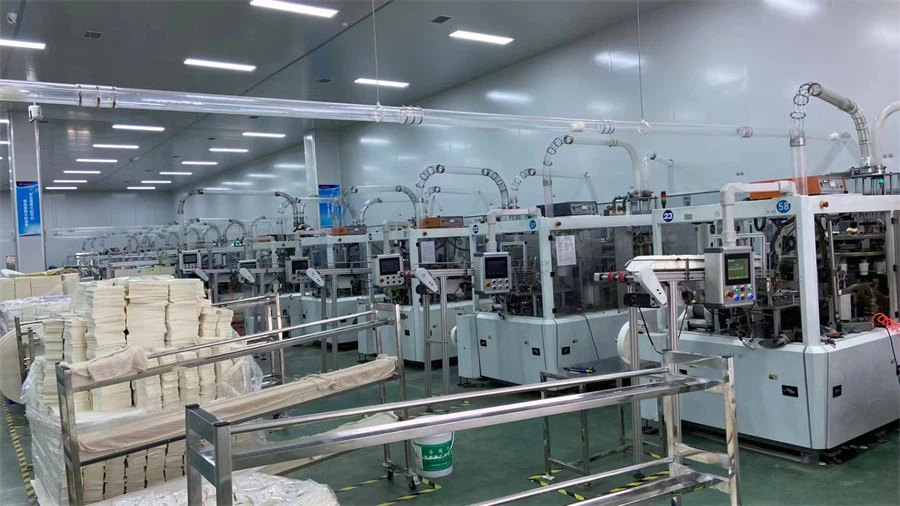
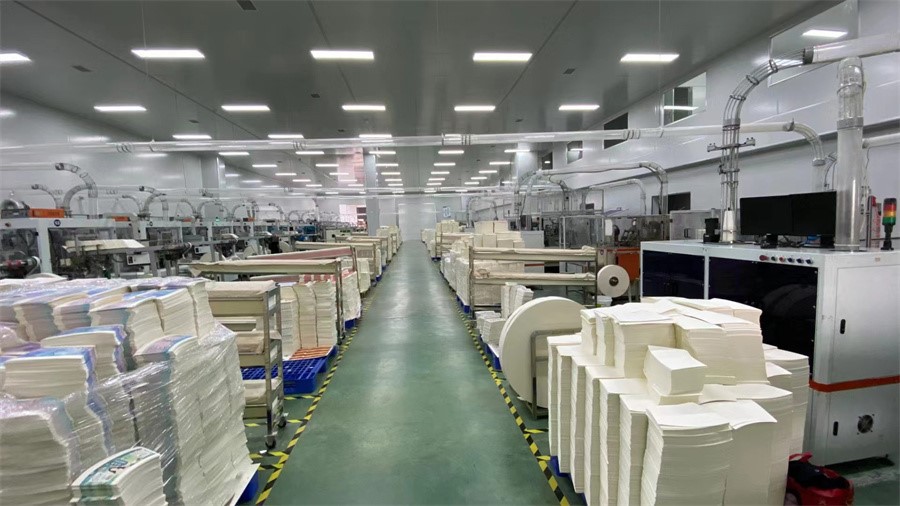
Hubei eco earth has professional production team of 300+ people and 66,000 square meters of international standardized production base, the world's advanced friendly food packaging production equipment and class 1000 dust-free purification workshop, with sophisticated equipment and technology to promote production capacity, the concept of energy saving and emission reduction and circular economy, into every link of packaging products.
01
Product application
Food and beverage industry,takeout and food delivery,fast food and quick service restaurants, supermarkets and convenience stores, outdoor and picnic events,bakeries and pastry shops,coffee shops and cafeterias, and ect.
02
Production market
Fully focused on eco-friendly food packaging innovation, through 15 years of stable operation, has established a sustained and stable cooperative relationship with our partners, provided customers with one-stop green food packaging solutions and effectively helped customers transform, which has been unanimously praised by partners.
03
Our service
Efficiently processing orders and ensuring timely communication regarding order status.Offering order tracking services to keep customers informed about the shipping progress.Maintaining open communication channels for customers to address any inquiries or concerns during the order fulfillment process.
04
Materials Used in Disposable Cutlery
Paper
Speaking of disposables, paper sounds like a good choice since it’s mostly made from natural materials. But it’s better to find some recycled paper that is truly eco-friendly. In fact, recycled paper contains fewer chemicals, does not cause deforestation, and uses 40% less energy in the production process.
Plastic
Plastic is the most common material when it comes to disposable tableware. Disposable cutlery is usually made of polypropylene or polystyrene. Compared with other types of disposable tableware, its advantages lie in its hardware characteristics, as well as its high availability in the market. Plastic is a difficult material to recycle, for single-use items and anything else. Some types of plastic are not recycled by local councils, such as polystyrene1. Plastic can take up to 1,000 years to break down, and when that happens, it leaves contaminants in soil and water.
Pla plastic
Also known as polylactic acid, this is an eco-friendly plastic made from various renewable resources, depending on the country of production, such as cornstarch, starch, sugar cane and potato chips. This is one of the most commonly used biodegradable plastics in the world. This plastic, also known as corn plastic because of its origin, can be composted in proper facilities without releasing any harmful fumes in the process. Part from eco-friendly pla plastic, it’s also great for hot food. The downside is that it is not composted in nature, in fact, it has to be sent to a specific plant to dispose of it. It can also seriously contaminate other recyclable items if confused wrong.
Bamboo
Bamboo disposable tableware is environmentally friendly due to its main material, bamboo grows fast, so it is not too bad to use this material. These items are also biogradable and compostable.Even this has an innocent look to the harsh chemicals and dyes used to get the finished product. Another disadvantage of bamboo is its fragile nature, the fact that one may use more than one fork, for example, because it will break, so more waste needs to be taken into account.
Wood
Some wooden disposable tableware is so similar to bamboo that you’d be hard-pressed to notice the difference.Again, the advantages of wooden disposable tableware are related to its raw material, which is green and compostable. A variety of woods can be used to achieve the final product, and unlike bamboo, no harsh chemicals are required. Wood is also delightful to see and recall an eco-friendly idea. It’s also great to use with hot food.
Sugar cane (bagasse)
This is a by-product derived from the production of sugar cane products, basically sugar cane fiber. It’s a spectacular eco-friendly option because it doesn’t involve using trees. Bagasse products are fully compostable and decompose within 60-90 days. This product is a solid alternative to paper bowls and cups as it is also heat resistant. It’s also an option for takeaway restaurants because of their plates.
Stainless steel coating and reusable
Stainless steel coated disposable cutlery is by far the most effective because it is high performance and extremely durable. So it won’t break, so it’s safer.Typically, this disposable is not painted, but stainless steel, and in fact, no chemicals are used on the outside. Stainless steel is also a sustainable and recyclable material. But the real strength of this cutlery is its reusability. Stainless steel coated tableware products are believed to change everything from single-use designs to extended lifespans.
How to Choose Disposable Cutlery
Tips for Using Disposable Utensils Safely
The importance of food safety in disposable utensils
Food safety must be ensured whenever food is handled, and disposable cutlery is no exception. Dirty or filthy utensils seriously threaten public health because they can spread bacteria and viruses that cause illness.
In situations where washing and sterilizing reusable utensils may not be practical or possible, disposable utensils can be a safe and hygienic option for food preparation.
Food safety must be ensured when handling food, including when disposable utensils are used. As they can spread disease-causing bacteria and viruses, contaminated or dirty utensils pose a severe threat to public health.
When handled and discarded correctly, disposable utensils can be a safe and hygienic option for food preparation, mainly when washing and sterilizing reusable utensils is impractical or impossible.
Handy are disposable utensils in environments where food safety is a top priority, such as hospitals, nursing homes, and schools. Additionally, they can be a practical and hygienic option for catering events or outdoor activities where access to clean water and washing facilities may be limited.
By selecting disposable utensils from reputable companies that prioritize food safety, you can ensure that you use a safe and hygienic product for food handling.
Take measures to ensure food safety in disposable utensils
We take food safety very seriously at your company and recognize the significance of using safe and hygienic disposable utensils. We go to great lengths to ensure that our products meet the highest food safety standards.
Some of the measures we take to ensure food safety in our disposable utensils include:
Only food-grade materials are used in the production of our disposable cutlery. This indicates that our materials are safe for food contact and will not leach harmful chemicals into food.
We use stringent quality control procedures to ensure that our disposable utensils meet the highest safety and cleanliness standards. This includes regular product testing to ensure compliance with all applicable safety regulations and standards.
To demonstrate our commitment to food safety, we are pursuing certifications and approvals from the proper authorities. For instance, our disposable utensils may be certified as safe for food contact by the fda or the european union.
By taking these and other precautions, we aim to ensure that our disposable utensils for food preparation are safe and hygienic.
In the tableware market, disposable cutlery and spoons compete with glass products for new favorites because of their lightness and portability. Precautions for choosing a disposable knife, fork and spoon:
1. When purchasing disposable cutlery and spoons to compare prices, be sure to ask the seller for the weight of the product. Knives, forks and spoons are produced from wooden raw materials, and the weight of the product is an important factor in determining the price of the product. The same type, the same function, and the same size, the product should be more expensive if it is heavier, and cheaper if it is lighter. Generally only the product size is marked on the market, and consumers should pay attention.
2. Disposable knives, forks and spoons have weight requirements, not as light as you want. Some products on the market are too light, causing problems in the use function and product quality of the product, easy to break, high breakage rate, and with to safety hazards, consumers should pay great attention.
3.Comparing the price of disposable cutlery and spoons should also compare the quality of products. For example, products with burrs and burrs are easy to scratch consumers. This kind of thing happens from time to time. For everyone's health, please buy qualified products.

Disposable plastic cutlery and kitchen hygiene
Maintaining a hygienic kitchen is essential for the health and well-being of your family. One of the most common sources of contamination in the kitchen is the improper handling of utensils. Reusable cutlery may harbor germs and bacteria if not cleaned thoroughly after each use. In contrast, disposable plastic cutlery eliminates this concern altogether. Disposable plastic cutlery is designed for single-use, which means it’s clean and germ-free straight out of the packaging. This reduces the risk of cross-contamination and foodborne illnesses, making it an excellent choice for a kitchen that prioritizes hygiene.
Sanitation with disposable plastic cutlery
Sanitizing reusable cutlery can be a time-consuming process. Dishwashers can be effective, but not everyone has access to one, and hand washing may not always eliminate all contaminants. Disposable plastic cutlery saves you the hassle of scrubbing, washing, and sanitizing. Once you’re done using it, simply dispose of it, and you have a clean slate for your next meal.
Additionally, disposable plastic cutlery is individually wrapped, which adds an extra layer of protection against contaminants, ensuring that each utensil is sanitary until it’s needed.
Food safety: A priority
Food safety is paramount in any kitchen. Using disposable plastic cutlery helps maintain the integrity of your dishes. With reusable cutlery, there’s always a risk of scratches and wear, which can create crevices for bacteria to thrive. This is not the case with disposable plastic cutlery, which is always in pristine condition.
Moreover, disposable plastic cutlery is made from materials that are food-safe and approved for use with edibles. You can trust that your utensils won’t leach harmful chemicals into your food,
Ensuring the safety of your meals.
Disposable plastic cutlery vs. Reusable cutlery
Let’s briefly compare disposable plastic cutlery to reusable cutlery to highlight why it’s a better choice for kitchen hygiene and sanitation.
Maintenance: Reusable cutlery requires regular cleaning, which can be time-consuming and may not always eliminate all contaminants. Disposable plastic cutlery is clean and sanitary straight from the package.
Cross-contamination: Reusable cutlery can harbor germs and bacteria, increasing the risk of cross-contamination. Disposable plastic cutlery is single-use, minimizing this risk.
Food safety: Disposable plastic cutlery is made from food-safe materials and is always in pristine condition. Reusable cutlery may have scratches and wear, creating crevices for bacteria to thrive.
Environmental impact: While disposable plastic cutlery has traditionally been criticized for its environmental impact, eco-friendly options are now widely available, reducing its carbon footprint.
Our Factory
Hubei eco earth has professional production team of 300+ people and 66,000 square meters of international standardized production base, the world's advanced friendly food packaging production equipment and class 1000 dust-free purification workshop, with sophisticated equipment and technology to promote production capacity, the concept of energy saving and emission reduction and circular economy, into every link of packaging products.

FAQ
As one of the most professional disposable cutlery manufacturers and suppliers in China, we're featured by quality products and good price. Please rest assured to wholesale high-grade disposable cutlery for sale here from our factory.
Plastic Forks Individually Wrapped, Wooden Takeaway Cutlery, Plastic Fork Set