

Disposable soup cups are not just vessels for warm liquids; they are carriers of nutrition that can sustain you throughout the day. By opting for nutrient-rich soups, you transform these cups into portable powerhouses, providing your body with essential vitamins, minerals, and antioxidants. It's a simple yet effective way to ensure you get the nourishment you need, even when your schedule is packed.
-
![Ripple Wall Soup Cups]() Ripple Wall Soup CupsRipple wall soup cup has better heat-proof performance when we need to hold very hot food. It is more safe for the consumers.read more
Ripple Wall Soup CupsRipple wall soup cup has better heat-proof performance when we need to hold very hot food. It is more safe for the consumers.read more -
![Paper Soup Containers with Lids]() Paper Soup Containers with Lids●Used for hot or cold food. ●Hot soup or ice-cream container. ●Double layers & Moisture-preventing. ●Inner coatingread more
Paper Soup Containers with Lids●Used for hot or cold food. ●Hot soup or ice-cream container. ●Double layers & Moisture-preventing. ●Inner coatingread more -
![Disposable Soup Containers with Lids]() Disposable Soup Containers with Lids●High-quality paper soup cup . ●Support your secondary recycling. ●No leakage. ●Not easy to bent or dentedread more
Disposable Soup Containers with Lids●High-quality paper soup cup . ●Support your secondary recycling. ●No leakage. ●Not easy to bent or dentedread more -
![Paper Soup Containers]() Paper Soup Containers●Durable paper, food-grade material. ●Safe for Freezer and Microwave. ●Disposable take-out food containers. ●Party supplies treat cupsread more
Paper Soup Containers●Durable paper, food-grade material. ●Safe for Freezer and Microwave. ●Disposable take-out food containers. ●Party supplies treat cupsread more -
![8oz Kraft Soup Container]() 8oz Kraft Soup Container●8oz Takeaway Soup Bowls. ●350gsm paperboard. ●Freezer and microwave safe. ●Lids sold separatelyread more
8oz Kraft Soup Container●8oz Takeaway Soup Bowls. ●350gsm paperboard. ●Freezer and microwave safe. ●Lids sold separatelyread more -
![32 Oz Paper Soup Containers with Lids]() 32 Oz Paper Soup Containers with Lids●32oz Large Capacity. ●Ideal for transporting soups, salads, oatmeal. ●Perfect for busy individuals and caterers alike. ●High-quality kraft paper coatedread more
32 Oz Paper Soup Containers with Lids●32oz Large Capacity. ●Ideal for transporting soups, salads, oatmeal. ●Perfect for busy individuals and caterers alike. ●High-quality kraft paper coatedread more -
![Hot Soup Cups with Lids]() Hot Soup Cups with Lids●Sustainable and enduring paperboard. ●PE lined. ●Leak-free container. ●Suitable for freezers, ovens as well as microwavesread more
Hot Soup Cups with Lids●Sustainable and enduring paperboard. ●PE lined. ●Leak-free container. ●Suitable for freezers, ovens as well as microwavesread more -
![Kraft Paper Soup Containers]() Kraft Paper Soup Containers●Ideal disposable takeaway containers. ●A variety of different sizes. ●Kraft paper to-go containers . ●Make meal prep a breezeread more
Kraft Paper Soup Containers●Ideal disposable takeaway containers. ●A variety of different sizes. ●Kraft paper to-go containers . ●Make meal prep a breezeread more -
![16 Oz Paper Soup Cups with Lids]() 16 Oz Paper Soup Cups with Lids●Keep all varieties of soups hot and fresh. ●Freezer and microwave safe. ●Kraft paper to-go containers . ●Variety of different sizeread more
16 Oz Paper Soup Cups with Lids●Keep all varieties of soups hot and fresh. ●Freezer and microwave safe. ●Kraft paper to-go containers . ●Variety of different sizeread more -
![16 Oz Paper Soup Containers]() 16 Oz Paper Soup Containers●For Hot and Cold Food. ●Reliable & High-quality food container. ●Ideal for serving soups, noodles, porridge, pasta. ●Microwave Saferead more
16 Oz Paper Soup Containers●For Hot and Cold Food. ●Reliable & High-quality food container. ●Ideal for serving soups, noodles, porridge, pasta. ●Microwave Saferead more -
![8 Oz Disposable Soup Cups]() 8 Oz Disposable Soup Cups●8 oz. paper food containers w/ vented lids. ●To Go Hot Soup Bowls. ●Used for various purposes. ●Compact and easy to storeread more
8 Oz Disposable Soup Cups●8 oz. paper food containers w/ vented lids. ●To Go Hot Soup Bowls. ●Used for various purposes. ●Compact and easy to storeread more -
![Brown Paper Cup Soup]() Brown Paper Cup Soup●Recyclable. ●Microwavable. ●Versatile and convenient. ●Crafted from eco-friendly materialsread more
Brown Paper Cup Soup●Recyclable. ●Microwavable. ●Versatile and convenient. ●Crafted from eco-friendly materialsread more


Takeout and food delivery: Paper soup bowls with lids are commonly used to package soups, stews and other liquid foods for takeout and delivery orders. The lid helps prevent spills and keeps food warm during transport.
Convenience stores and cafeterias: These bowls and cupsare often found in convenience stores, cafeterias and fast food restaurants for customers who want quick and easy meals on the go.
Office lunch: They are great for office lunches and parties. Employees can place homemade soups or other dishes into these containers and reheat them when needed.
Outdoor activities and picnics: Disposable paper soup bowls are convenient for outdoor activities, picnics and barbecues. They're lightweight and easy to transport, making them a popular choice for serving a variety of foods.
Catering and events: Caterers use these containers to serve individual servings of soup, appetizers and desserts at events such as weddings, parties and corporate functions.
Food sampling: Paper cups with lids are used for food sampling at events or food fairs. Lid helps maintain hygiene and prevents contamination.
Frozen foods: These containers are ideal for freezing foods like soups, sauces, and pre portioned meals. The lid provides a secure seal to help prevent freezer burn.
Meal prep and portion control: Individuals in meal prep or portion control can use these containers to organize and store meals ahead of time.
Microwave safe containers: Many paper soup bowls and mugs are designed to be microwave safe, allowing users to reheat food directly in the container without transferring to another plate.
Hot & cold drinks: Paper cups with lids can be used to hold hot and cold drinks, such as coffee, tea, smoothies, and cold drinks.
Sauces and dips: These containers are ideal for packaging small servings of sauces, dips, dressings and condiments.
Arts and crafts: These containers can be repurposed for arts and crafts projects such as storing paint, beads, or small crafts.
Home storage: They can be used to store leftovers in the refrigerator or pantry. The lid helps keep food fresh and prevents odors.
How to Choose Disposable Soup Cups
Look: When choosing a disposable soup cup, don't just look at the color of the disposable soup cup. Don't think that the whiter the color, the more hygienic. Some disposable soup cup manufacturers want to make the cup look whiter. A large amount of fluorescent whitening agent was added. Once these harmful substances enter the human body, they will become potential carcinogens. Experts suggest that citizens should take a photo under the lamp when choosing a disposable soup cup. If the disposable soup cup appears blue under a fluorescent lamp, it proves that the fluorescent agent exceeds the standard, and consumers should use it with caution.
Pinch: The body of the cup is soft and not firm, be careful of water leakage. In addition, it is necessary to choose a disposable soup cup with a thick and stiff wall. The disposable soup cup with a low hardness is very soft to pinch. After pouring water or beverages, it will be seriously deformed or even unable to be lifted, which affects the use. . Experts point out that generally high-quality disposable soup cups can hold water for 72 hours without leakage, while poor quality ones will seep water for half an hour.
Smell: The color of the wall of the cup is fancy, be careful of ink poisoning. Quality supervision experts pointed out that most of the disposable soup cups are stacked together. If they are damp or contaminated, mold will inevitably form, so the damp disposable soup cups must not be used. In addition, some disposable soup cups will be printed with colorful patterns and words. When the disposable soup cups are stacked together, the ink on the outside of the disposable soup cup will inevitably affect the inner layer of the disposable soup cup wrapped on the outside. It contains benzene and toluene, which are harmful to health. It is best to buy disposable soup cups with no ink printing or less printing on the outer layer.
Use: Distinguish between cold cups and hot cups, they "each has its own role". Experts finally pointed out that the disposable soup cups we usually use can generally be divided into two types: Cold drink cups and hot drink cups.
Why Choose Us
Our factory
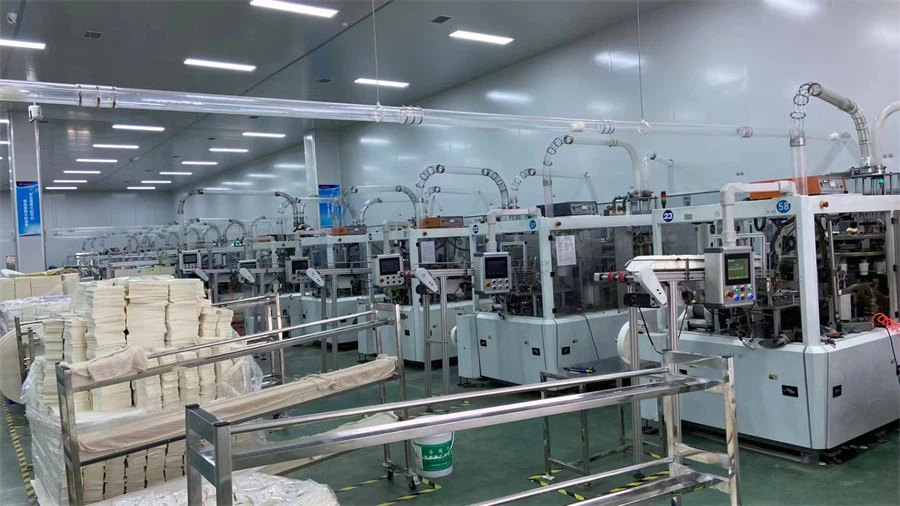
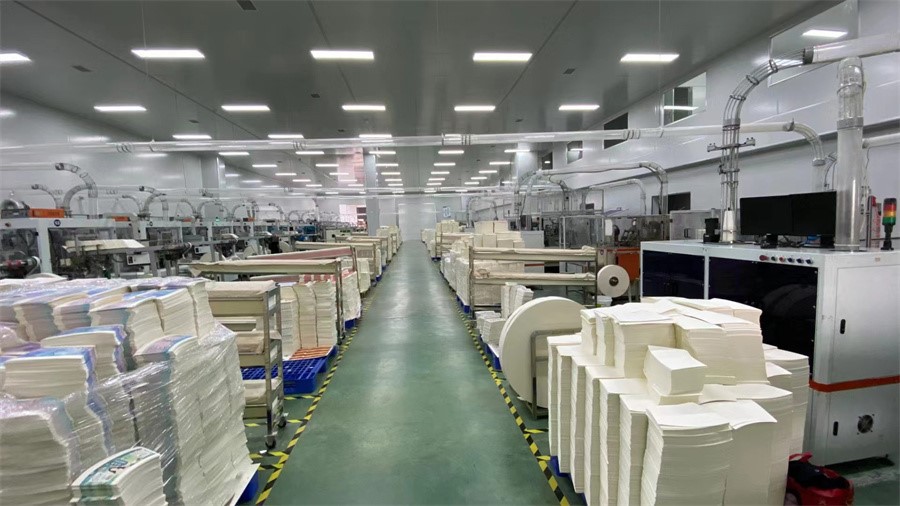
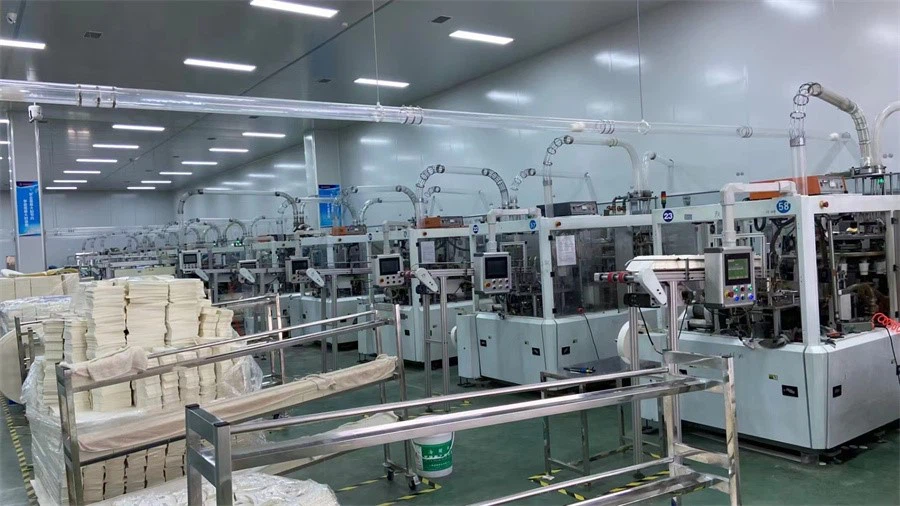
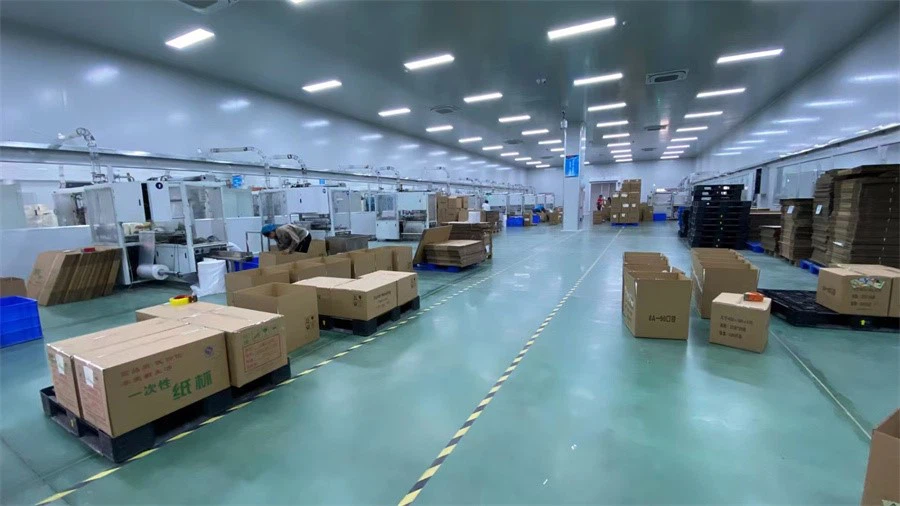
Hubei eco earth has professional production team of 300+ people and 66,000 square meters of international standardized production base, the world's advanced friendly food packaging production equipment and class 1000 dust-free purification workshop, with sophisticated equipment and technology to promote production capacity, the concept of energy saving and emission reduction and circular economy, into every link of packaging products.
01
Product application
Food and beverage industry,takeout and food delivery,fast food and quick service restaurants, supermarkets and convenience stores, outdoor and picnic events,bakeries and pastry shops,coffee shops and cafeterias, and ect.
02
Production market
Fully focused on eco-friendly food packaging innovation, through 15 years of stable operation, has established a sustained and stable cooperative relationship with our partners, provided customers with one-stop green food packaging solutions and effectively helped customers transform, which has been unanimously praised by partners.
03
Our service
Efficiently processing orders and ensuring timely communication regarding order status.Offering order tracking services to keep customers informed about the shipping progress.Maintaining open communication channels for customers to address any inquiries or concerns during the order fulfillment process.
04
The general raw materials of the disposable soup cup are: Food-grade wood pulp paper + food-grade pe film.
Disposable paper cold drink cups are paper cups that can hold cold drinks. Cold drinks have a characteristic and need to be frozen or refrigerated. The safe use temperature is 0°c-5°c. It is determined that the paper cup as a whole can be waterproof. The body of the cold drink cup is made of food-grade wood pulp paper + pe film on the inner and outer surfaces. This can effectively prevent wood pulp paper from losing its original stiffness and toughness due to exposure to moisture.
In order to achieve the water barrier effect in the production of paper cups, a layer of polyethylene water barrier film will be coated on the inner wall. Polyethylene is the safest chemical in food processing. However, if the selected material is not good or the processing technology is not good enough, the polyethylene may be oxidized to carbonyl compounds during the process of hot melting or applying to paper cups. Carbonyl compounds are not easy to volatilize at room temperature. When hot water is poured into the paper cup, they may volatilize, so people will smell strange.
Disposable Soup Cups vs. Disposable Plastic Cups
Disposable cups have come a long way since their invention at the turn of the last century and their ubiquity in the twenty-first century. The two main materials are paper cups and plastic cups, which come in handy when people need to drink on the go without having to worry about cleaning up.
But since both cups have their own ups and downs, it can be difficult to decide which is better for the overall environment. While both methods help save water by ending the need to wash reusable cups, many other factors involved in making these cups can impact the environment.
Manufacturing and environmental impact
Over the past few decades, there have been major changes in the manufacturing of paper and plastic, not just for cups but for all items. According to the epa, the paper industry has jumped by more than 300 percent since 1960 to 2007. They are large in plastics manufacturing; plastics manufacturing has grown by more than 7,000 percent in the same period.
The main advantage of paper cups is that they are biodegradable. These cups break down quickly and harmlessly, but the same cannot be said for plastic cups. On the contrary, their impact on landfills is a major issue, since so many cups are produced on a regular basis.
That said, both cups can be made from recycled materials, which is very good for the environment. This is a better option for the planet's ecology than using materials made from typical materials. These recycled materials no longer require access to raw materials, which saves a lot of energy and materials.
For most consumers, these environmental factors are usually offset by the money saved on paper and plastic cups. In addition to being very easy to use, buying in bulk means spending a few cents per cup. Since no one wants to risk breaking a cup or glass on the go, disposable cups are even more popular.
Life cycle assessment
By far, the main difference between paper and plastic cups is biodegradability. But to find the most environmentally friendly option, we must examine their "life cycle assessment". In other words, we must consider the various possible ecological impacts, including carbon footprint, ozone depletion, global warming effects, harmful chemicals and the resource depletion that these cups can cause.
What is usually overlooked in this decades-long debate is that polystyrene foam is also a plastic. Examining each life cycle assessment of these cups, plastic cups do not put any more stress on the world's ecology than paper cups.
As mentioned earlier, polystyrene foam takes much longer to degrade. What this emphasizes is that ultimately, how we choose as consumers depends on what is most important to each of us. If you are primarily concerned with reducing waste or pollution, it is best to avoid plastic cups.

The inferior paper cups use recycled polyethylene, which will undergo cracking changes during the reprocessing process, resulting in many harmful compounds. Choosing a food grade pe coated paper cups is important. Almost every family and unit will prepare disposable toilet paper cups. Once used by one person, throw away after use, which is hygienic and convenient.
In the past, the wax-coated paper cup was the most used. It was soaked in wax. It can only be used for cold drinks, not oily things, because oil can dissolve wax. Wax melts at around 40°c, and wax contains carcinogenic polycyclic aromatic hydrocarbons. Now the most commonly used is a paper-plastic cup, which is a layer of paper on the outside and a layer of coated paper on the inside, which is an inner polyethylene plastic film. Although the outer layer is paper, the inner layer of plastic film is in contact with the food, so it is controversial whether this cup is defined as a paper cup or a plastic cup. In terms of testing, both paper and plastic quality are tested. Without wax, people may feel safe in paper-plastic cups. In fact, it has the most risk factors.
Generally, there are stalls in the market that sell pastry soup in paper cups. However, some experts say that the maximum heat resistance that paper cups can withstand is only 100 degrees, which can never withstand high temperature baking in the oven. Drinking this kind of pastry soup baked in paper cups will drink the plastic poison and cause a burden on the liver and kidneys.
Our Factory
Hubei eco earth has professional production team of 300+ people and 66,000 square meters of international standardized production base, the world's advanced friendly food packaging production equipment and class 1000 dust-free purification workshop, with sophisticated equipment and technology to promote production capacity, the concept of energy saving and emission reduction and circular economy, into every link of packaging products.
FAQ
As one of the most professional disposable soup cups manufacturers and suppliers in China, we're featured by quality products and good price. Please rest assured to wholesale high-grade disposable soup cups for sale here from our factory.
8 Oz Disposable Bowls with Lids, durable disposable soup cups, 16oz Kraft Soup Containers